
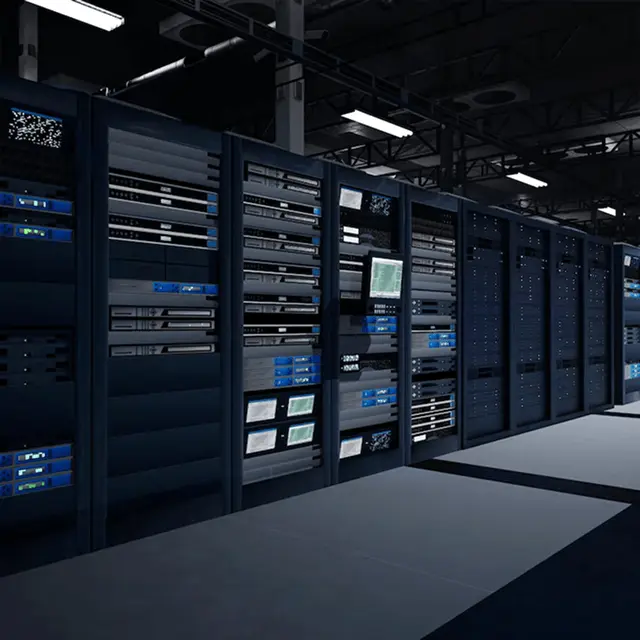
Technology is no longer just a support function. For Australian businesses, it directly impacts daily operations, security, communication, and overall productivity. As systems become more complex, many businesses are moving away from multiple IT vendors and choosing a single, reliable partner to manage everything.
Technology is no longer just a support function. For Australian businesses, it directly impacts daily operations, security, communication, and overall productivity.
As systems become more complex, many businesses are moving away from multiple IT vendors and choosing a single, reliable partner to manage everything.
This is where End-to-end IT services Australia come in.
A structured IT partner does more than fix issues. They manage, secure, support, and maintain your entire IT environment so your business can operate without disruption.
What Are End-to-End IT Services?
End-to-end IT services cover the complete management of your business technology.
This typically includes:
- IT support and system management
- Cybersecurity and data protection
- Backup and recovery systems
- Microsoft 365 and cloud management
- Network and infrastructure support
- IT relocation and asset handling
Instead of dealing with multiple providers, businesses work with one accountable team managing everything.
Why Businesses Prefer a Single IT Partner
Many growing businesses face common issues:
- Different vendors managing different systems
- Lack of coordination between providers
- Delays in resolving issues
- Security gaps between systems
Working with a single IT partner helps eliminate these challenges.
Benefits include:
- Better system integration
- Faster issue resolution
- Consistent security across all systems
- Clear communication and accountability
Core Components of a Complete IT Solution
1. IT Infrastructure and Setup
A strong IT environment starts with proper setup.
This includes:
- Network configuration and security
- Workstation setup
- Firewall and access control
- Backup system configuration
2. Managed IT Services
Ongoing system management is critical.
This includes:
- Continuous monitoring
- System updates and maintenance
- Helpdesk and user support
- Performance optimisation
3. Security and Data Protection
Cybersecurity is essential for every business.
Key areas include:
- Endpoint protection
- Multi-factor authentication
- Secure network configuration
- Regular system updates
- Backup verification
4. Cloud and Microsoft 365
Modern businesses rely on cloud systems for flexibility.
This includes:
- Email and collaboration setup
- Secure file sharing
- Remote access for teams
- Cloud system management
5. IT Relocation and Asset Management
Businesses often overlook IT during office moves.
A structured IT partner supports:
- Office IT relocation
- Safe transport of devices and servers
- Network setup at new location
- System testing before operations begin
- Secure disposal of old IT equipment
What Makes an End-to-End IT Provider Different?
The key difference is accountability and consistency.
Instead of reacting to problems, a structured provider:
- Monitors systems continuously
- Prevents issues before they happen
- Aligns IT with business operations
- Supports long-term growth
Businesses often ask:
Can one company handle all IT needs?
Yes. Working with one provider ensures better coordination and fewer risks.
Security and Compliance in Australia
Cyber threats continue to affect small and medium businesses.
A secure IT environment includes:
- Access control and authentication
- Endpoint and network protection
- Secure backups
- Regular monitoring and updates
Security should be built into every system, not added later.
Business Benefits of End-to-End IT Services
Predictable Costs
Monthly support plans replace unexpected repair expenses.
Reduced Downtime
Continuous monitoring helps prevent system failures.
Better Performance
Well-managed systems run more efficiently.
Scalability
Infrastructure can grow with your business.
Ongoing Support
Reliable IT support ensures systems remain stable.
How to Choose the Right IT Partner
When selecting an IT provider, consider:
Experience with SMEs
They should understand small and mid-sized business needs.
Clear Support Process
Defined response times and structured support.
Local Understanding
Knowledge of Australian business requirements.
Full-Service Capability
Ability to manage support, security, infrastructure, and relocation.
Frequently Asked Questions
What are end-to-end IT services?
They include complete management of IT systems, from support and security to infrastructure and ongoing maintenance.
Do small businesses need full IT support?
Yes. Reliable IT systems are essential for daily operations and business continuity.
What is included in managed IT services?
Support, monitoring, cybersecurity, backup, and system maintenance.
Can one provider manage IT and relocation?
Yes. Many businesses prefer one partner to manage both for better coordination.
Do businesses need ongoing IT support?
Yes. Continuous monitoring and support ensure systems remain stable and secure.
Final Thoughts
Managing IT across multiple vendors creates unnecessary complexity.
End-to-end IT services provide a structured approach where systems are managed, secured, and supported under one accountable team.
For Australian businesses, this means:
- Better system reliability
- Reduced operational risk
- Consistent performance
- Clear accountability
Technology should support your business, not slow it down. With the right IT partner, your systems become a strong foundation for growth.